
You hear from your accountant in March or April. They send a summary, tell you what you owe, and go quiet until next year. If that sounds familiar, you are not alone. Most dental practice owners have the same experience, and most assume that is simply how accounting works.
It is not. It is just how reactive accounting works.
According to the American Dental Association, overhead for many dental practices runs between 70% and 75% of total revenue. At that margin, the difference between a practice that grows and one that stagnates often comes down to the financial decisions made in June, not the return filed in April. A specialized dental CPA is not a once-a-year resource. They are a year-round partner in building a more profitable practice.
In this article, you’ll learn:
- What proactive dental CPA services actually include
- How KPI tracking and benchmarking reveal problems before they compound
- Why tax planning works better when it starts in January
- What advisory support looks like for practice growth and transitions
What “Beyond Tax Season” Actually Means
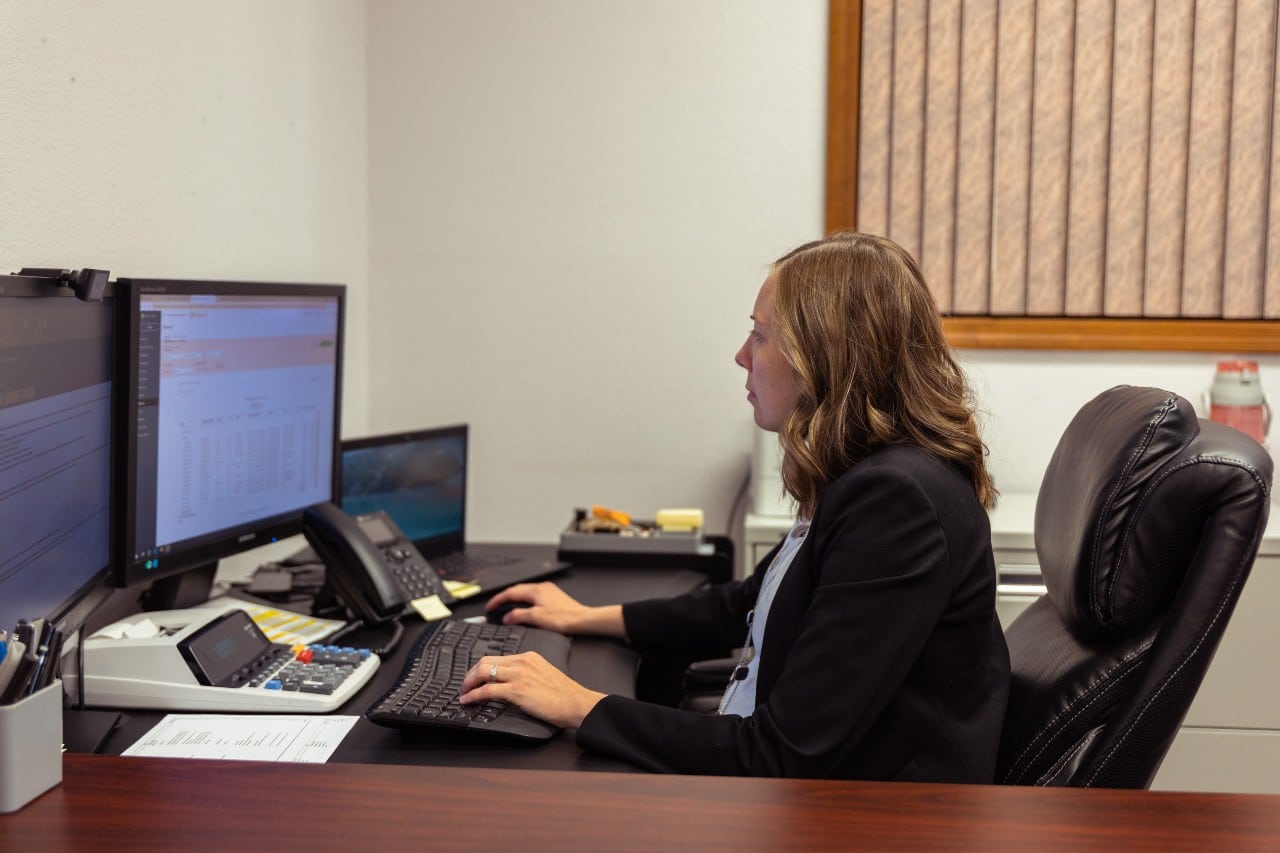

A generalist accountant reports the past. A dental CPA helps shape the future. That distinction matters more than it might sound.
Proactive dental CPA services include monthly bookkeeping, quarterly financial reviews, and ongoing planning conversations throughout the year. These touchpoints create a feedback loop. You see what is working, what is not, and where adjustments are needed while there is still time to make them.
Waiting until December to review a full year of financials means twelve months of missed opportunities. Overhead that crept up in Q2. A collections gap that widened through Q3. A staffing cost that could have been restructured before year-end. Year-round engagement catches these things early.
KPI Tracking and Benchmarking for Dental Practices
Numbers tell a story, but only if you are reading them consistently. A dental CPA tracks the KPIs that matter most to practice performance: production per provider, revenue per provider, collection efficiency, and overhead ratio.
Benchmarking those numbers against industry standards gives them context. If your overhead ratio is running at 78% while the ADA benchmark sits between 70% and 75%, that gap is not abstract. It represents real dollars leaving the practice without a clear return. Identifying it in February is a very different situation than discovering it in April.
KPI visibility also supports better operational decisions. Staffing levels, scheduling structures, and fee schedules all connect to the numbers. When you can see the data clearly, you make decisions based on evidence rather than instinct.
Cash Flow and Dental Practice Profitability


Strong revenue and strong cash flow are not the same thing. A practice can produce well and still feel financially tight if collections are lagging, overhead is climbing, or large expenses arrive without a plan.
Monitoring production, collections, and overhead ratios on a regular basis uncovers inefficiencies that a year-end review would miss. A dental CPA builds budgets and forecasts that account for predictable expenses: equipment upgrades, lease renewals, staffing changes, and technology investments. That kind of visibility shifts your posture from reactive to strategic. You plan for growth instead of absorbing surprises.
Tax Planning That Happens Before April
Proactive tax planning for dental practices starts with quarterly estimated tax reviews. Safe-harbor rules allow practices to base payments on 100% of the prior year’s liability or 90% of the current year’s expected liability, reducing the risk of underpayment penalties while keeping cash flow predictable.
Equipment decisions are another area where timing matters. The IRS restored 100% bonus depreciation for qualified property acquired after January 19, 2025, meaning many major equipment purchases placed in service after that date may be fully deducted in the acquisition year. Section 179 expensing offers a parallel path, with a 2026 limit of up to $2.56 million for qualifying purchases.
Looking ahead, several 2026 federal changes, including updates to the Qualified Business Income deduction, depreciation options, and SALT and estate thresholds, may affect how Washington dental practices plan. Washington’s Business and Occupation tax adds another layer. Because the B&O tax applies to gross receipts rather than net income, accurate revenue tracking is not just good practice. It is a compliance requirement.
Advisory Services That Support Practice Growth
The financial decisions that shape a dental practice’s future are not tax questions. They are strategy questions. Profitability and pricing analysis, hiring and compensation planning, major purchase evaluation, and exit planning all carry long-term consequences that benefit from a CPA who understands dental industry benchmarks.
For owners thinking about the future, transition support matters. Valuations, buy-in and buy-out structuring, and succession planning require both financial precision and industry-specific knowledge. Getting those decisions right protects the value you have built.
Why Specialization Matters for Dental Practice Profitability


A generalist CPA files returns. A dental CPA understands lab fees, supply costs, equipment depreciation cycles, and the specific categories that apply to your practice. That knowledge directly affects how many deductions get captured and how many compliance gaps get closed.
PorterKinney helps dental practices document and maximize deductions across the categories that matter most: equipment and depreciation, clinical supplies, continuing education, practice-management software, facility and operational expenses, marketing costs, wages and payroll taxes, staff training, uniforms and PPE, and vehicle and travel for business purposes. Specialization means fewer missed deductions and a cleaner, more defensible return.
Build Profitability Throughout the Year
Profitability is not recovered in April. It is built through the decisions made in every other month. If your current accountant only calls once a year, you are likely leaving money on the table and carrying more risk than necessary.
PorterKinney offers a complimentary practice financial review to help Washington dental practice owners identify bookkeeping, compliance, and tax-planning opportunities specific to their practice. Schedule your review and find out what a proactive dental CPA partnership actually looks like.

